Schedule an Appointment
  (619) 345-4500
  For Doctors
  Products
  Patient Portal




Why You Snore More as You Age - And What You Can Do About It
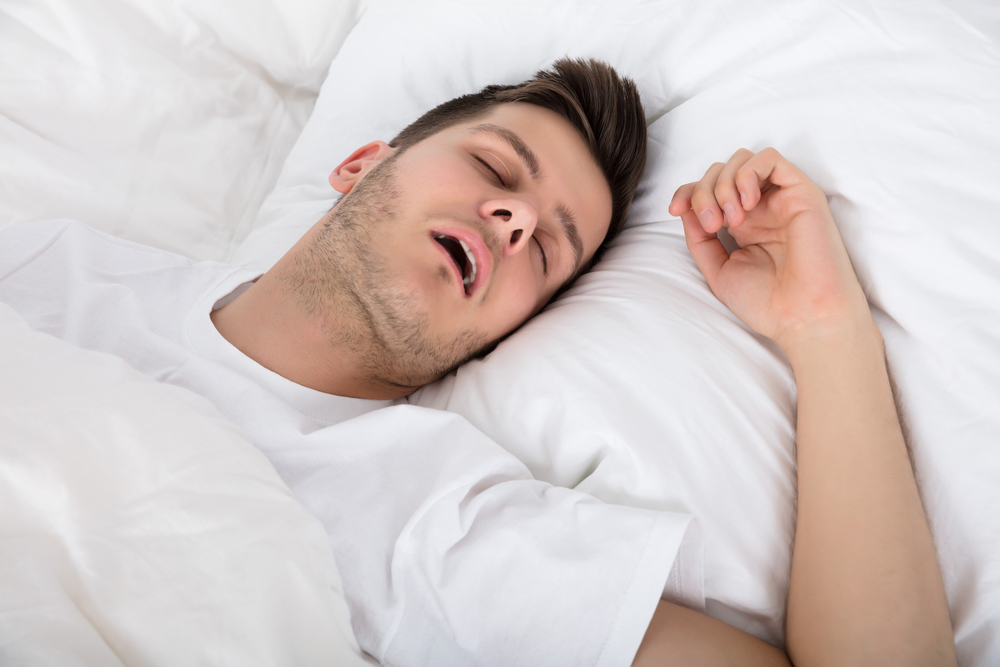
Many people notice that snoring becomes more frequent or louder over time. Aging can affect muscle tone throughout the body, including the muscles that help keep the airway open during sleep. As those tissues relax more easily, airflow can become partially blocked, which creates the vibration we hear as snoring.
Weight changes, sleep position, nasal congestion, and certain medications can also make snoring worse with age. In some cases, it is not just a nuisance - it may point to a sleep-related breathing disorder that deserves professional attention.
The Airway Becomes More Vulnerable Over Time
As we get older, the structures in the throat and soft palate may lose some firmness. That can make the airway narrower during sleep, especially when lying on the back. Breathing becomes noisier as air pushes through a smaller space.
This is one reason snoring that used to happen only once in a while may start happening every night. If your snoring is disrupting sleep for you or your partner, it is worth looking into the cause instead of assuming it is just a normal part of aging.
Other Factors That Can Make Snoring Worse
Aging is only one piece of the puzzle. We often evaluate other contributing issues that may increase snoring or make it more persistent, such as:
• Weight gain that adds pressure around the airway
• Nasal blockage from allergies or congestion
• Alcohol use before bed
• Sleeping flat on the back
• Jaw position and oral anatomy
• Sleep apnea or other sleep-related breathing disorders
A proper evaluation helps identify whether one issue or several factors are involved.
When Snoring May Be a Warning Sign
Snoring is sometimes linked to obstructive sleep apnea, a condition in which breathing repeatedly slows or stops during sleep. If snoring is paired with gasping, choking, dry mouth, morning headaches, daytime fatigue, or poor concentration, the problem may be more serious than simple snoring.
What You Can Do About It
The right treatment depends on the reason you snore. Some patients improve with lifestyle changes like weight management, side sleeping, or reducing alcohol before bedtime. Others need more targeted care to address the airway or jaw position.
Treatment Options For Snoring and Sleep-Disordered Breathing
Snoring is sometimes linked to obstructive sleep apnea, a condition in which breathing repeatedly slows or stops during sleep. If snoring is paired with gasping, choking, dry mouth, morning headaches, daytime fatigue, or poor concentration, the problem may be more serious than simple snoring. Before recommending treatment for snoring, we first need to rule out sleep apnea.
If primary snoring is the diagnosis, we may recommend treatment options such as oral appliance therapy, CPAP therapy, positional therapy, or other airway-focused solutions depending on your needs.
We also offer Fotona LightWalker NightLase treatment. This is a non-invasive laser treatment that works by tightening oral and throat tissues involved in airway collapse, which can help reduce snoring and improve sleep quality. Laser therapy may also be a helpful added benefit alongside oral appliance therapy by making apnea treatment more effective for some patients.
Get Help For Snoring and Better Sleep
Snoring that worsens with age should not be ignored, especially when it affects sleep quality, energy, or overall health. If snoring has become more noticeable over the years, we can help identify the cause and recommend treatment options that fit your condition and lifestyle.
Contact TMJ & Sleep Therapy Centre of San Diego to schedule a consultation and learn more about oral appliance therapy, NightLase treatment, and other options to help you sleep more quietly and comfortably. Visit our office in La Mesa, California, or call (619) 345-4500 to book an appointment today.
Quick Links

About Pain
& Sleep

Keep
In Touch






Office Hours
- Monday 8:00 AM - 4:30 PM
- Tuesday 8:00 AM - 4:30 PM
- Wednesday 8:00 AM - 4:30 PM
- Thursday 8:00 AM - 4:30 PM
- Friday 8:00 AM - 12:00 PM
- Saturday Closed
- Sunday Closed
© 2026 TMJ & Sleep Therapy Centre of San Diego. All rights Reserved. Accessibility Statement - Privacy Policy - Sitemap
Powered by: